

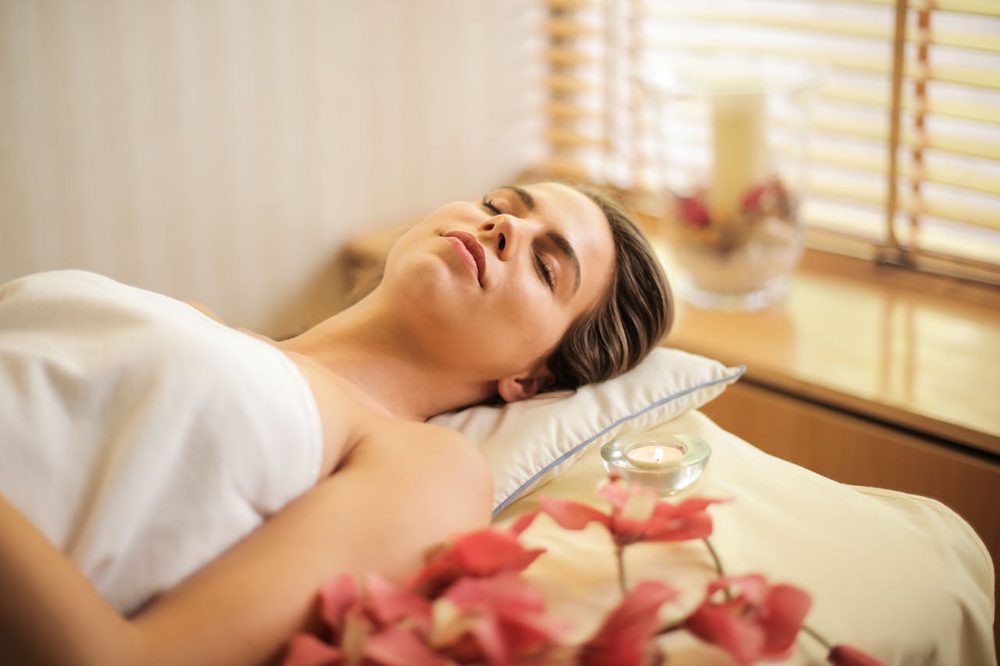
Massage can create a welcome pause and help many people feel more comfortable in familiar areas of tension. Choosing a style is easier when you focus on how you want the hour to feel rather than which name sounds most impressive.
Swedish and aromatherapy
Swedish massage uses flowing strokes and adaptable pressure. It often suits a first visit or a general relaxation goal. Aromatherapy massage pairs a similar unhurried experience with scent, when fragrance is suitable and welcome. Mention allergies, asthma, pregnancy or sensitivity before essential oils are used.
Ayurvedic and deep tissue
Ayurvedic massage draws from a traditional Indian wellbeing practice and commonly uses rhythmic work with oil. At a day spa it is offered for relaxation, not as diagnosis or medical treatment.
Deep tissue massage uses slower, more focused pressure. It may feel intense, but should remain within your comfort. Ask for less pressure whenever needed. Pain is not evidence that the treatment is succeeding.
Lymphatic drainage
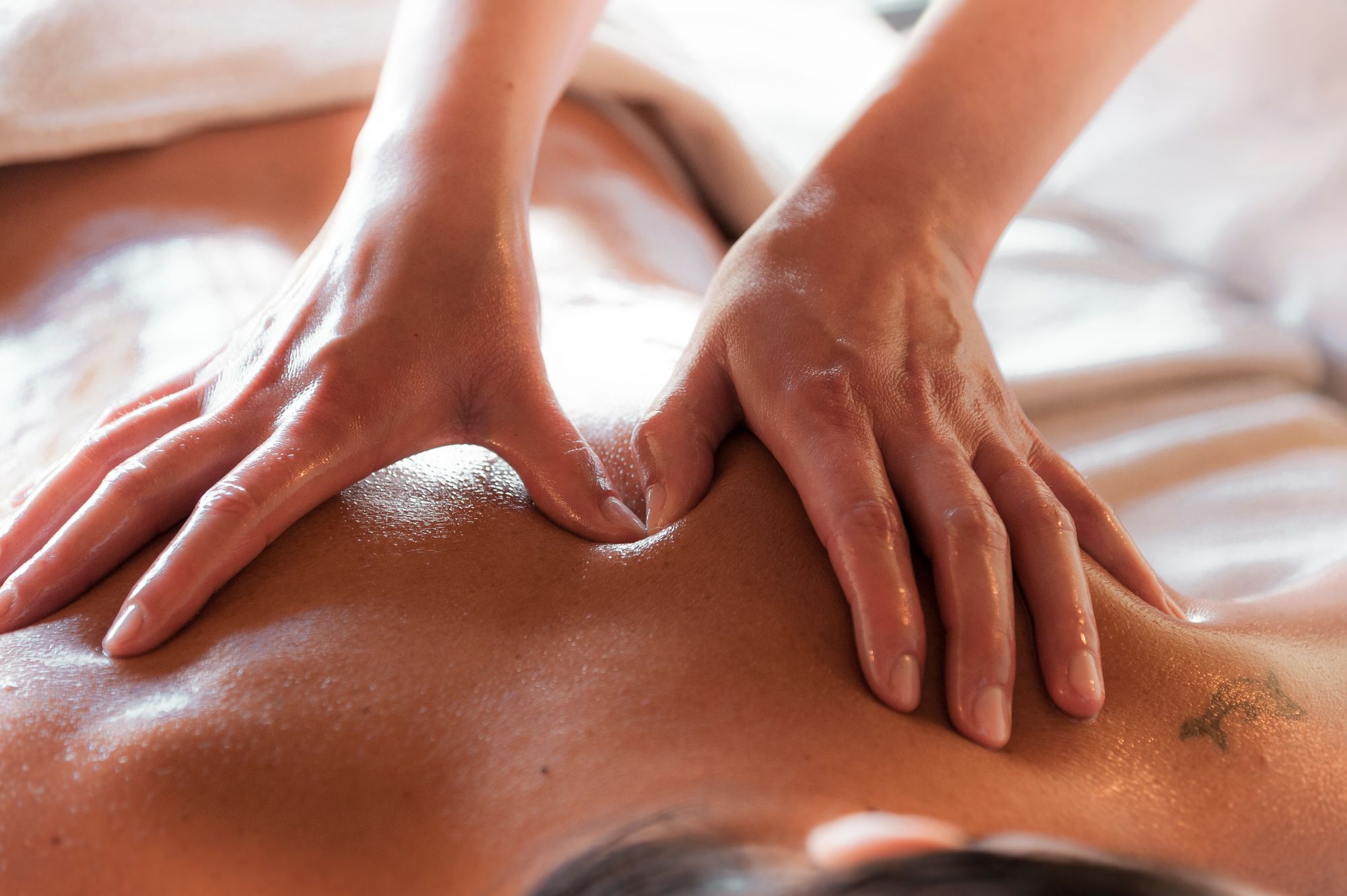
Lymphatic drainage uses notably light, rhythmic strokes and feels different from conventional massage. Anyone considering it after surgery, for persistent swelling or alongside a medical condition should consult the relevant clinician first and discuss suitability when booking.
Before any massage
Share injuries, recent surgery, pregnancy, medication and health conditions. New pain, swelling, numbness, weakness or symptoms that concern you need clinical assessment. Massage can support relaxation and everyday comfort but cannot diagnose or cure an underlying problem.
Explore current massage styles and durations. If you remain unsure, describe your goal and preferred pressure. The therapist can help choose a starting point, and the plan can still change once the massage begins.