

Self-care is often sold as a product with candles around it. Real life is less photogenic. Sometimes the useful choice is a massage. Sometimes it is a facial. Sometimes it is going home, drinking water and cancelling the extra thing.
The best appointment begins by asking what would make the clearest difference to your day.
Choose massage when the body wants attention
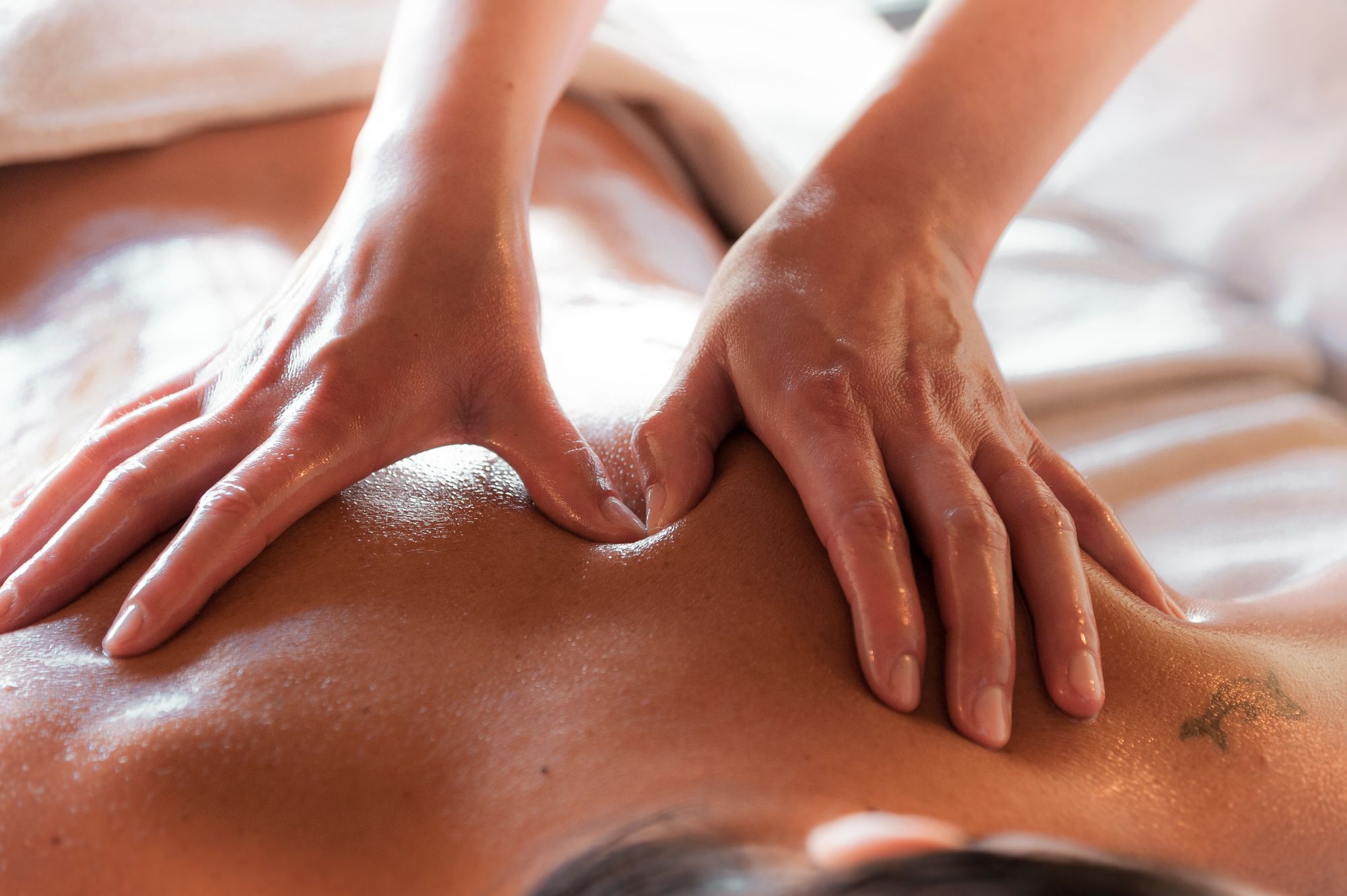
Massage may suit you when familiar areas feel tight, you have been sitting or standing for long hours, or you simply enjoy the steady rhythm of hands-on care. Swedish massage uses flowing strokes and usually feels gentler. Deep tissue work is slower and more focused, but deeper should never mean unbearable.
Massage is for wellbeing and relaxation, not diagnosis. New pain, swelling, numbness, injury or symptoms that worry you should be discussed with a qualified healthcare professional first.
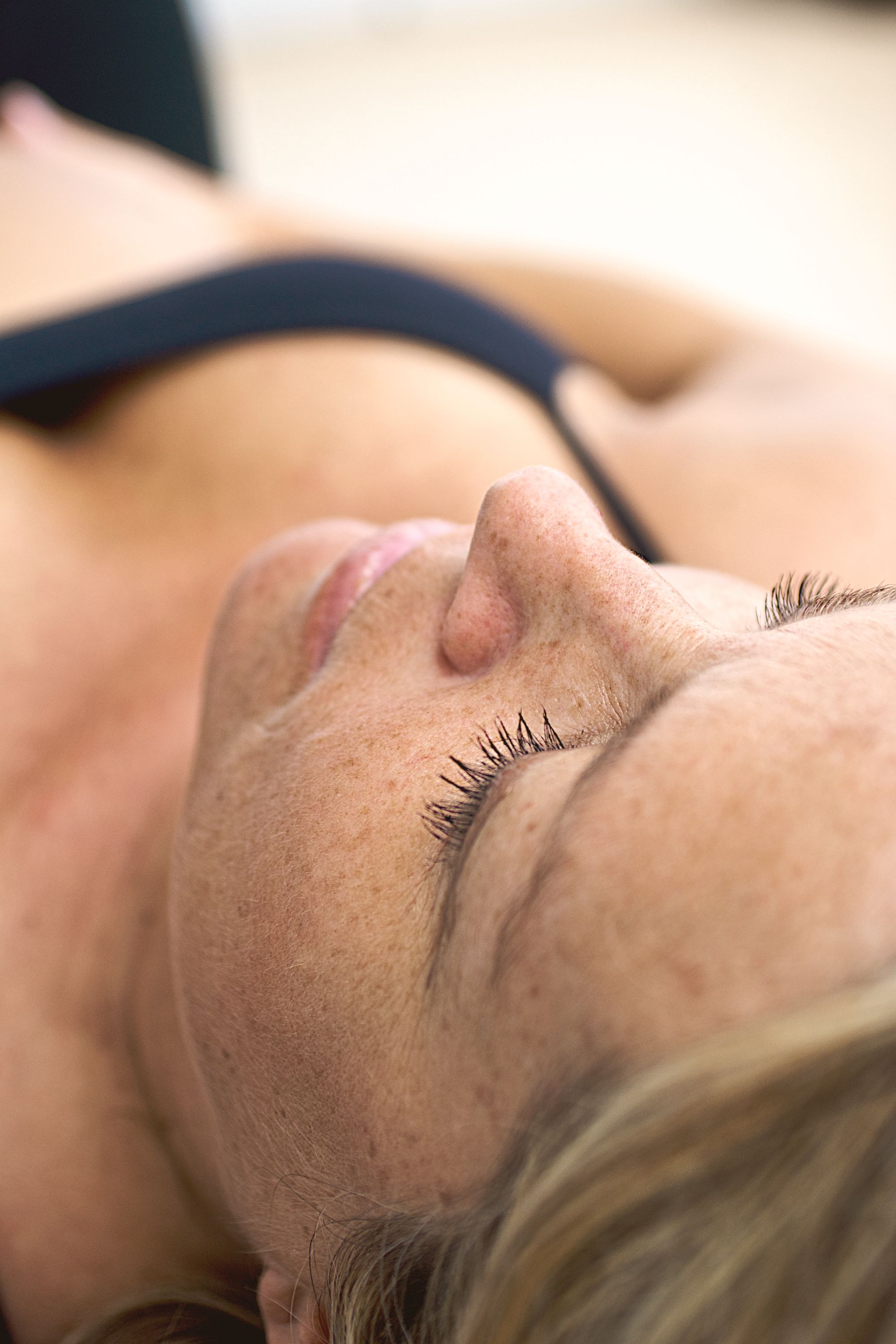
Choose a facial when skin needs a closer look
A facial can be useful when your routine feels confusing, surface buildup is noticeable, or you want professional cleansing and exfoliation before returning to a simple home routine. Tell the therapist about prescription products, recent peels, allergies and sensitivity.
One appointment cannot permanently change skin, and it should not promise to. It can provide a careful reset, short-term hydration and practical advice. Explore facials and consultations before choosing the most elaborate name on the menu.
Choose quiet time when an appointment becomes another task
If fitting in a treatment creates more stress than it relieves, postpone it. Rest does not have to be earned through productivity, and it does not need a receipt.
You can also tell us what kind of quiet you prefer. Some guests like conversation; others want very little. Neither is rude. Clear preferences help a therapist make the hour feel like yours.
There is no gold medal for having the most complete wellbeing routine. Choose one thing that feels realistic, notice whether it helped, and let that answer guide the next visit.