

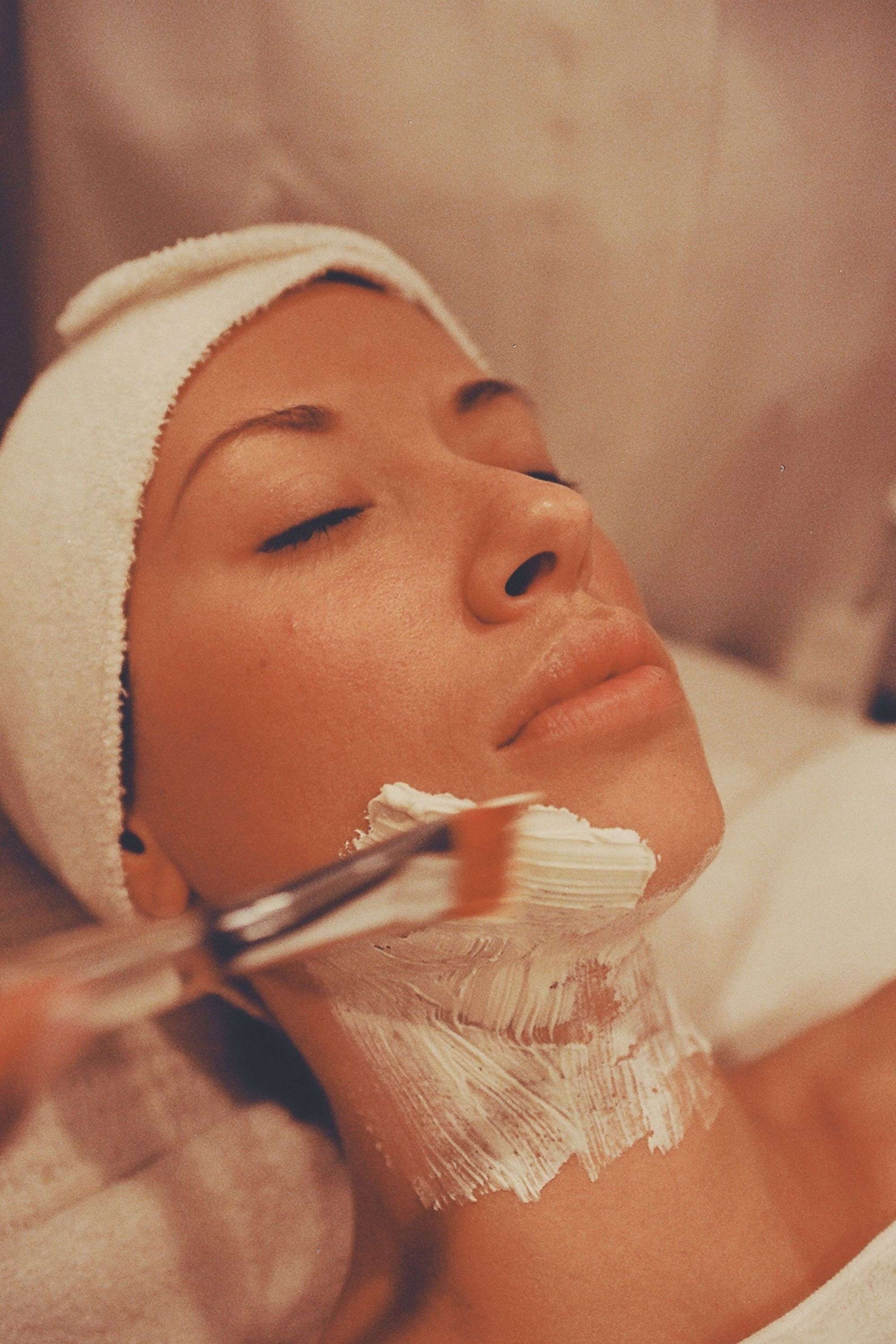
A first facial can feel mysterious because so much of it happens with your eyes closed. You do not need to arrive knowing product names or skin terminology. A good appointment explains what matters and leaves the jargon on the shelf.
Before the treatment
Expect a short consultation. Your therapist may ask what you use at home, how your skin has been feeling, whether you have allergies and what you hope to address. Mention prescription skincare, recent procedures, pregnancy, active cold sores, sunburn or unusual irritation. These details can change which products and techniques are suitable.
Come as you are. Makeup can be removed during the cleanse. If you have a major event, avoid trying an unfamiliar treatment immediately beforehand. Skin responses vary, and leaving a little breathing room is kinder than demanding instant perfection.
During the hour
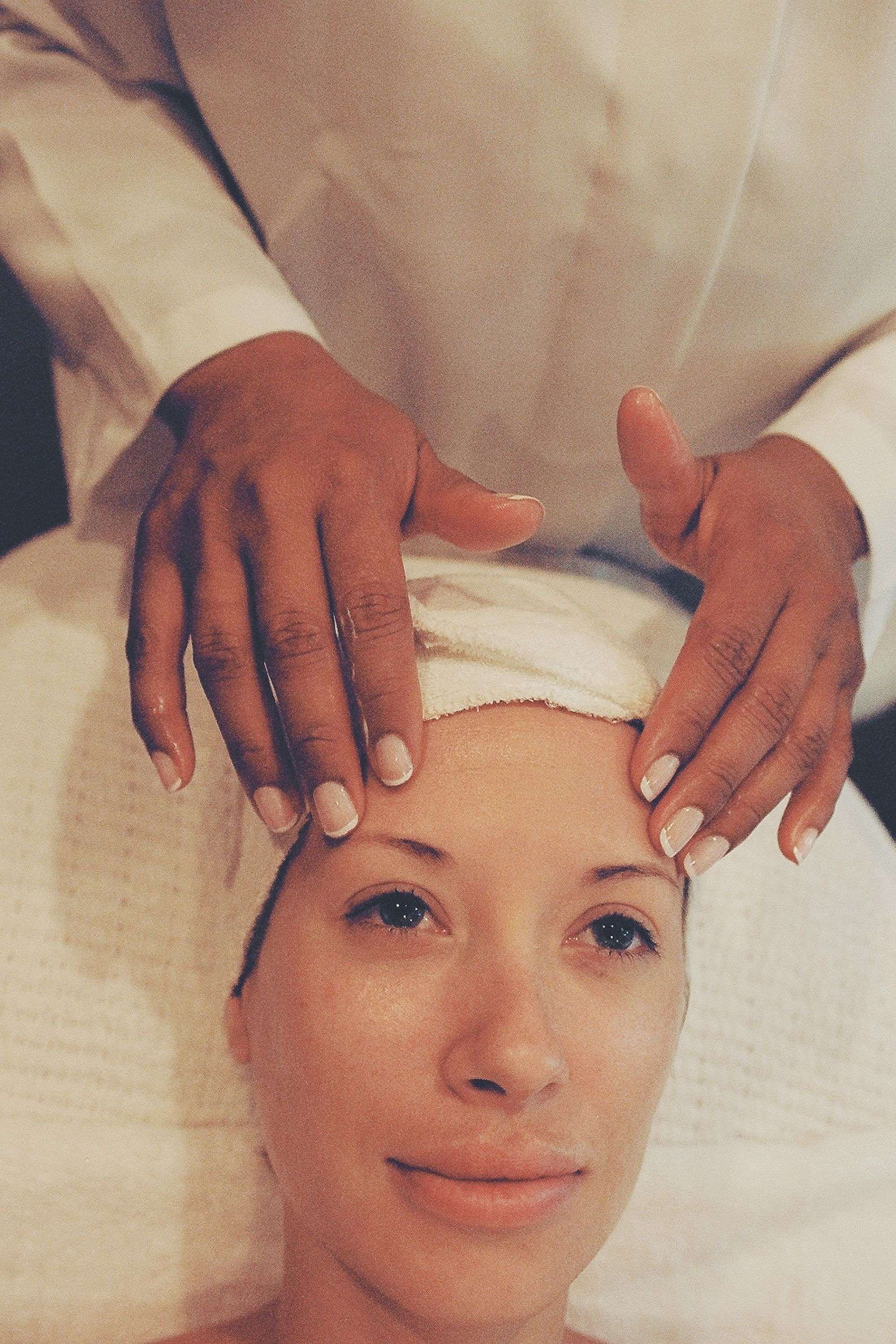
Most facials include cleansing, an assessment of the skin, appropriate exfoliation, a mask or targeted products, moisturiser and daytime sun protection. The exact order varies. Extractions or devices are not automatically right for everyone.
You should be told before something may tingle or feel warm. Speak up if a sensation becomes painful, itchy or sharply hot. There is no prize for silently enduring a product your skin dislikes.
At Priya's Spa, facials range from consultations and customised care to Dermalogica treatments. The useful choice depends on your skin today, not the longest treatment name.
Afterwards
Skin may look fresh and feel smooth, but it does not need a complicated celebration. Keep the rest of the day gentle. Avoid aggressive scrubs, picking and piling on several new active products. Apply sunscreen and follow any treatment-specific instructions.
A facial is not medical dermatology. Persistent acne, rashes, infections, changing moles or severe reactions need a medical professional. The therapist's role is to work safely within cosmetic care and refer beyond that boundary when necessary.
Your first facial should leave you knowing more about your skin, not feeling pressured into a permanent schedule. Ask what was used, which step mattered most and what can stay simple at home.